Kaçak kötü amaçlı yazılımlar, geleneksel sanal ortamları tespit edip atlatacak şekilde giderek daha fazla tasarlanmakta ve güvenlik ekiplerini tam olarak güvenemeyecekleri kararlarla baş başa bırakmaktadır. Yaygın olarak kullanılan bir Node.js sanal ortam kütüphanesi olan vm2'deki kritik bir güvenlik açığı, kısa süre önce tek bir yazılımın çok ötesine geçen bir riski ortaya çıkardı. CVE-2026-22709 olarak izlenen ve maksimum CVSS puanı 10,0 olan bu kusur, Promise prototip işleme sürecindeki eksik geri arama temizleme işleminden kaynaklanıyordu. Bir saldırgan, sanal ortamdan tamamen çıkabilir ve altta yatan ana bilgisayar sisteminde istediği komutları çalıştırabilir.
Bu güvenlik açığı, bir sistemin yalıtımının ancak üzerine kurulduğu mimari kadar sağlam olabileceğini bir kez daha ortaya koydu. Saldırganlar bunu uzun zamandır biliyor; bu nedenle, günümüzde çoğu sinsi tehdit, şüpheli bir eylemde bulunmadan önce ortamını keşfetmek üzere tasarlanıyor. Gerçek hedefe ulaşmadan önce sistemin güvenli olduğunu gösteren bir sonuç elde etmek amacıyla, sanal makine (VM) izlerini kontrol ediyor, yürütmeyi geciktiriyor, coğrafi konumu inceliyor ya da belirli kullanıcı etkileşimlerini bekliyorlar.
Asıl soru, sanal ortamınızın onları yine de kartlarını açmaya zorlayıp zorlayamayacağıdır. Bu makalede, sanal ortamdan kaçışın nasıl işlediğini, geleneksel yaklaşımların neden bu gelişmelere ayak uydurmakta zorlandığını ve komut düzeyinde emülasyonun nasıl daha güvenilir bir yol sunduğunu ayrıntılı olarak ele alıyoruz.
Kötü Amaçlı Yazılımlar Sandbox Nasıl Algılar?
Kurumsal güvenlik ekipleri, e-posta eklerinden yama güncellemelerine, yönetilen dosya aktarımlarından üçüncü taraf entegrasyonlarına kadar her gün muazzam miktarda dosyayı işliyor. Kötü niyetli dosyalar, önemli bir etki yaratacak kadar uzun süre meşru dosyalara benzeyecek şekilde tasarlanıyor.
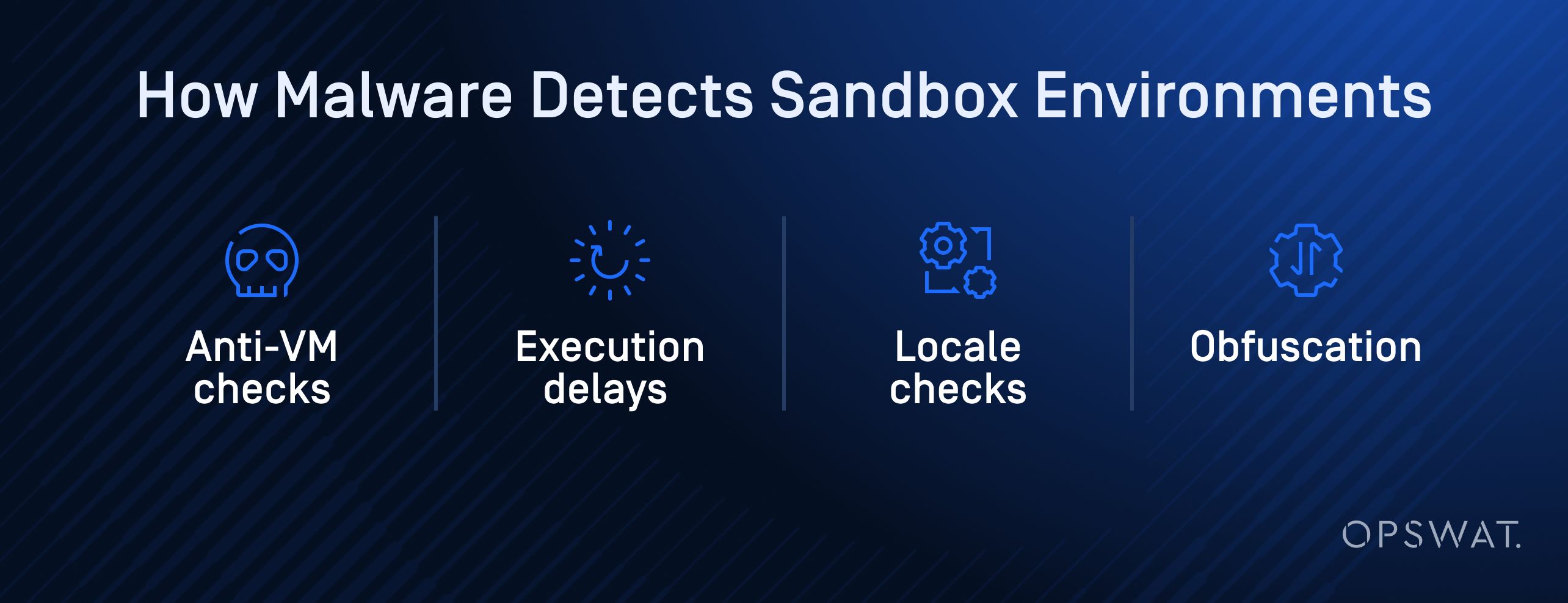
Kaçınma amaçlı kötü amaçlı yazılımlar, otomatik analiz ortamlarında temiz görünür şekilde davranacak ve gerçek bir uç noktada gerçek niyetini ortaya çıkaracak şekilde tasarlanmıştır. Yaygın teknikler arasında şunlar yer alır:
- Anti-VM, herhangi bir kötü amaçlı komut dizisini çalıştırmadan önce sanal makine kalıntılarını, hata ayıklayıcıları veya sanal ortamlara özgü kayıt defteri anahtarlarını kontrol eder
- Tipik sanal alan analiz sürelerini aşan uzun bekleme süreleri ve gecikmeli yürütme döngüleri nedeniyle oluşan yürütme gecikmeleri
- Yerel ayar denetimleri, analiz ortamında bulunması pek olası olmayan yerel ayar denetimlerine veya sistem yapılandırmalarına bağlı olarak veri aktarımını koşullandırır
- Gizleme paketleme veya çok aşamalı yüklerin gizlenmesi; böylece ilk aşama zararsız görünür ve kötü niyetli davranışlar ancak daha sonra ortaya çıkar
Güvenlik ekipleri, işaretlenen her dosyayı manuel olarak inceleyemez; bu nedenle otomatik kararlar, otomatik eylemleri yönlendirir: engelle veya izin ver, karantinaya al veya serbest bırak, üst düzeye ilet veya reddet. Bir sanal ortam (sandbox) aldatıldığında, sadece bir tehdidi gözden kaçırmakla kalmaz. İş akışının geri kalanının güvendiği bir “temiz” karar verir. Bu yersiz güven, genellikle algılama sürecindeki bir boşluktan daha tehlikelidir.
VM Tabanlı Güvenlik Kutusları, Gelişmiş Kaçınma Teknikleri Karşısında Zemin Kaybediyor
VM tabanlı sanal ortamlar, şüpheli dosyaları izole bir ortamda çalıştırarak neler olduğunu gözlemler. Ancak, gelişmiş kötü amaçlı yazılımların bu ortamları fark edip gerçek hedefe ulaşana kadar zararlı davranışlarını askıya aldıkları, pek çok kaynakta belgelenmiştir.
VM tabanlı sanal ortamlar, hız, ölçek ve güvenliği etkileyen yapısal sınırlamalara sahiptir:
- VM önleme kontrolleri, hata ayıklama önleme teknikleri ve zaman bazlı gecikmeler, kötü amaçlı yazılımın tüm analiz süreci boyunca pasif kalmasını sağlayabilir
- Sanal makinelerin başlatılması ve kapatılması, yüksek hacimli dosya iş akışlarında darboğazlara neden olur
- Bir sanal alan, paylaşımlı bir çalışma zamanı ortamına veya tanınabilir bir sanal ortama dayandığında, vm2 olayı açıkça gösterdiği gibi, o ortamın barındırdığı tüm zayıflıkları da devralır
Gerçek Hayattan Bir Supply Chain Senaryosu
Güvenilir bir satıcı portalı üzerinden gelen rutin bir ürün yazılımı güncellemesini düşünün. Bu güncelleme çoklu taramaları geçiyor, sanal ortamda şüpheli bir davranış tespit edilmeden tamamlanıyor ve operasyonel teknoloji sistemlerinde dağıtım için onaylanıyor. Sanal ortamın fark edemediği şey ise, yükleyici dosyasının içine gizlenmiş, sanal makine kalıntılarını arayan, bunları bulan ve analiz sırasında hiçbir şey yapmayan, uykuda bekleyen bir yükleyiciydi. Gerçek bir sistemde ise bu yükleyici çalışır.
Bu, en kötü senaryo değil. Bu durum, giderek yaygınlaşan bir tür tedarik zinciri ve çevre saldırılarının, sanal ortamın gözlemledikleri ile hedef uç noktada gerçekte yaşananlar arasındaki boşluğu istismar ederek nasıl işlediğini yansıtıyor. Bu boşluğu kapatmak için, dosyaların analiz edilme şekline ilişkin kökten farklı bir yaklaşım gerekiyor.
Emülasyon Tabanlı Sanal Ortam, Kötü Amaçlı Yazılımların Kendini Ortaya Çıkarmasını Sağlıyor
Komut düzeyinde emülasyon, tanınabilir ortamı tamamen ortadan kaldırarak temel sorunu çözer. Kötü amaçlı yazılımların parmak izini alabileceği bir sanal makine içinde şüpheli bir dosyayı çalıştırmak yerine, CPU ve işletim sistemi yürütmesini komut düzeyinde simüle eder. Sanal makine önleme kontrolleri, tetiklenecek hiçbir şey bulamaz. Zamanlama gecikmeleri sona erer. Ve kötü amaçlı yazılım, uykuda kalmak için bir neden bulamadığından, gözetim altında tüm yükünü çalıştırır.
OPSWATAdaptive Sandbox teknolojisinin temelinde yatan ilke budur. Bu teknoloji, kaçırma tekniklerinin işlediği seviyenin altında çalışır ve bunları yapılandırma yoluyla değil, tasarım yoluyla atlar.
Geleneksel VM sanal ortamı ile Adaptive Sandbox Karşılaştırması
| Sandbox | Geleneksel sanal makine tabanlı Sandbox | Uyarlanabilir Sandbox
|
|---|---|---|
| VM kaçırma önleme direnci | Sınırlı – kötü amaçlı yazılımlar tarafından tespit edilebilir | Komut düzeyinde tasarım sayesinde engellenen kaçırma girişimleri |
| Verim | VM'nin başlatılması ve sonlandırılması nedeniyle darboğaz oluşuyor | Sunucu başına günde 50.000'den fazla analiz |
| Çok aşamalı yük algılama | Kısmi – kaçınma aşamaları tetiklenmeyebilir | Koşullara bakılmaksızın tam olarak yürütülür |
| Kurulum esnekliği | Genellikle bulut veya şirket içi | Cloud, şirket içi, hibrit ve izole |
| Ortak saldırı yüzeyi riski | Ana bilgisayar çalışma zamanı veya sanal makine katmanından devralınan | Mimari ayrım nedeniyle elenmiştir |
| IOC çıkarma derinliği | Gözlemlenebilir davranışa bağlı olarak | 1.000'den fazla davranış göstergesi, kapsamlı IOC çıkarma |
Filescan.io'nun karşılaştırmalı analizine göre, bu yaklaşım geleneksel sanal alan yöntemlerine kıyasla günlük %48 daha fazla yüksek güvenilirlikli tespit ve %224 daha fazla IOC sağlıyor. Bu, daha önce ne kadar kötü niyetli davranışın tespit edilemediğinin doğrudan bir göstergesidir.
Motorun hafif ve deterministik olması sayesinde, olay sonrası analizler için ayrılmak yerine işlem sırasında da devreye alınabilir. Bu özellik, geleneksel sanal makine tabanlı sanal ortamların gerçek zamanlı çalışması için çok fazla kaynak gerektirdiği e-posta ağ geçitleri, web yükleme boru hatları ve yönetilen dosya aktarımı iş akışlarında pratik bir çözüm sunar.
Dosya Gönderiminden Eyleme Geçirilebilir İstihbarata
Adaptive Sandbox , bir dosyanın içinde ne sakladığını aşamalı olarak ortaya çıkarmak üzere tasarlanmış üç yapılandırılmış aşamadanSandbox . Her aşamada, tek geçişli bir analizde gözden kaçabilecek kaçırma tekniklerini ele alır:
- Derin yapı analizi, 120'den fazla dosya türünde statik inceleme gerçekleştirerek, dinamik yürütme başlamadan önce gömülü içeriği, komut dosyalarını, makroları ve kabuk kodunu ayıklar.
- Adaptive analizi, yürütme yollarını tetiklemek, analiz önleme kontrollerini atlatmak ve gizli çok aşamalı yükleri ortaya çıkarmak için CPU, işletim sistemi ve uygulama davranışlarını taklit eder.
- IOC çıkarma ve raporlama süreci, SIEM, SOAR, MISP ve STIX iş akışlarına aktarılmak üzere davranış göstergeleri, ağ izleri ve yapılandırma verilerini içeren yapılandırılmış çıktılar üretir.
Adaptive ile Sıfırıncı Gün Saldırılarının Tespitini İyileştirme
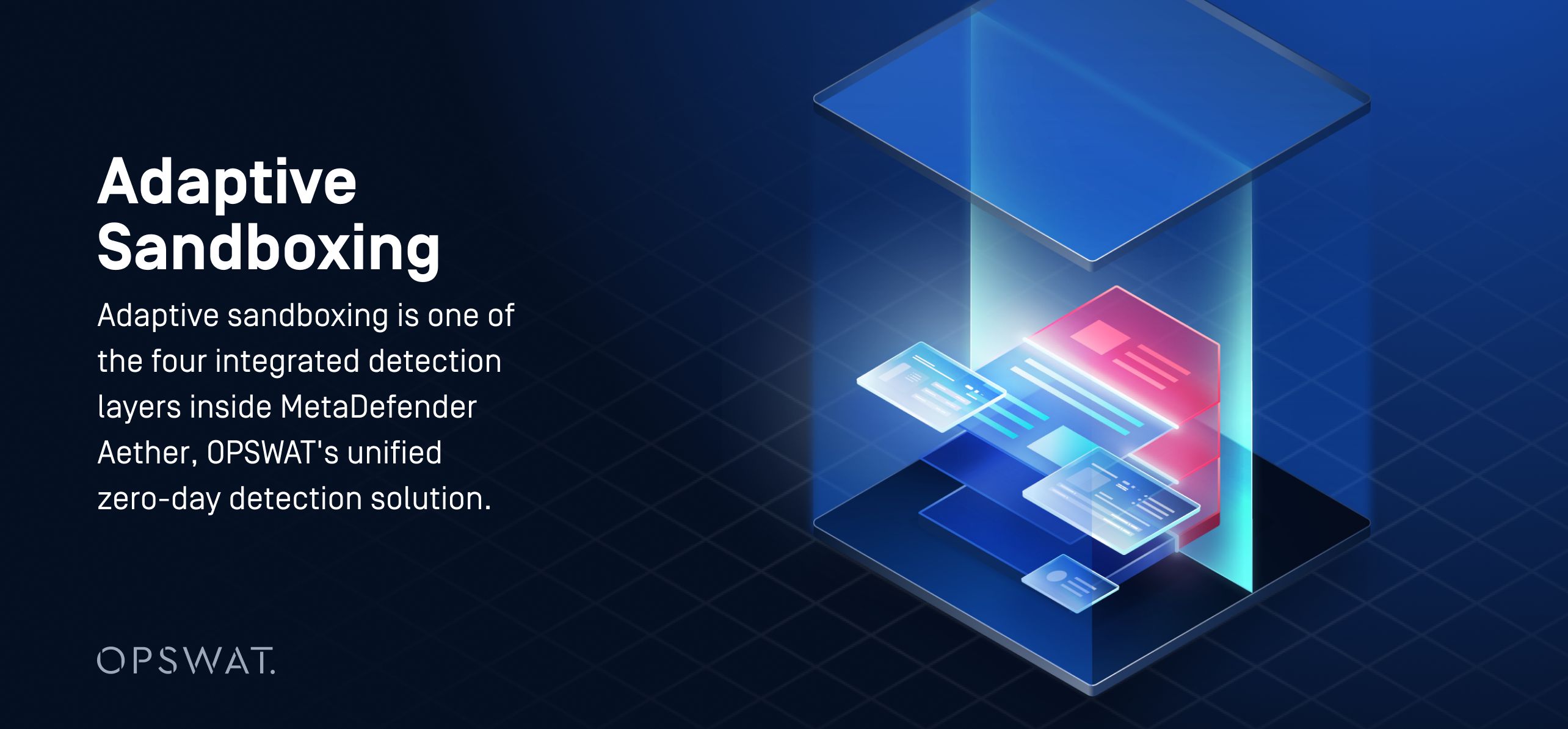
Adaptive Sandboxing, MetaDefender Aether, OPSWAT adresindeki birleşik sıfırıncı gün algılama çözümünün içindeki beş entegre algılama katmanından biridir. Sandboxing tek başına dosya davranışına ilişkin önemli sorulara yanıt verse de, algılama sistemlerini atlatmaya çalışan kötü amaçlı yazılımlar, tek bir teknolojinin yeterli olmadığını açıkça ortaya koymuştur.
MetaDefender Aether, her biri diğerlerinin tek başına tam olarak kapsayamadığı bir kör noktayı ele alan beş katmanı bir araya getirir. Sonuç olarak, her dosya için tek bir güvenilir karar ortaya çıkar; bu da, kurumsal iş akışlarının dayandığı dosya akışını yavaşlatmadan %99,5’lik bir sıfırıncı gün saldırı tespit etkinliği sağlar.
Beş katmanlı sıfırıncı gün saldırı tespit süreci
| Katman | İşlev |
|---|---|
| Tehdit İtibarı | Bilinen tehditlerin kaynağını belirlemek için 50B'den fazla hash, IP adresi ve alan adını karşılaştırır |
| Statik Analiz
(Tahminsel Alin AI) | Yürütme öncesinde kötü niyetli eylemleri öngörür; güvenilirliği yüksek temiz dosyaları yönlendirir ve güvenilirliği yüksek kötü amaçlı dosyaları sanal alana ulaşmadan engeller |
| Dinamik Analiz (Adaptive Sandbox ) | Gizli davranışları ve çok aşamalı yükleri ortaya çıkarmak için yürütmeyi simüle eder ve yeni keşfedilen IOC’leri Tehdit İtibar motoruna gönderir |
| Tehdit Puanlaması | Sandbox sonuçlarını, itibar verilerini ve davranışsal göstergeleri tek bir risk puanında birleştirir |
| Tehdit Avcılığı (ML Benzerlik Arama) | Kötü amaçlı yazılım varyantlarını, kampanya ilişkilerini ve ortak altyapıyı tespit eder |
Sandbox Aşamasından Yapay Zeka Destekli Yürütme Öncesi Algılamaya
MetaDefender Aether'in içinde, Predictive Alin AI, Tehdit İtibarı ile Adaptive Sandbox arasında yer alan Katman 2, Statik Analiz olarak çalışır. Yürütme öncesinde dosyaların yapısal ve davranışsal özelliklerini analiz ederek, yüksek güvenilirlik derecesine sahip zararsız dosyaları yönlendirir ve yüksek güvenilirlik derecesine sahip kötü amaçlı dosyaları milisaniyeler içinde engeller. Güvenilirlik eşiğini karşılamayan dosyalar, daha derinlemesine emülasyon tabanlı inceleme için Dinamik Analiz aşamasına yönlendirilir.
Bu, tahmin ve davranış analizi arasında sürekli bir geri bildirim döngüsü oluşturur. Sanal ortamda doğrulanmış her sıfırıncı gün saldırısı, bir dosya henüz sanal ortam aşamasına ulaşmadan benzer tehditleri daha erken tespit etme konusunda modelin yeteneğini güçlendirir.
Gizlenmiş Tehditlere İlişkin Daha Kapsamlı Bir Görünürlük Sağlamak
Geleneksel sanal makine tabanlı sanal ortamlar, artık mevcut olmayan bir tehdit ortamı için tasarlanmıştı. Bu ortamlar, analizden kurtulmak üzere özel olarak tasarlanmış kötü amaçlı yazılımlar tarafından tespit edilebilir, durdurulabilir ve atlatılabilir.
Komut düzeyinde emülasyon, denklemi tamamen değiştirir. Kaçınma tekniklerinin işlev gördüğü seviyenin altında çalışarak, Adaptive Sandbox kötü amaçlı yazılımları tamamen çalıştırmayaSandbox ve doğrulanmış bulguları, zamanla daha da isabetli hale gelen bir algılama sürecine aktarır. Çünkü dosya tabanlı tehditler söz konusu olduğunda, sanal ortamda çalıştırıp çalıştırmamanız kadar, bunu nasıl yaptığınız da aynı derecede önemlidir.
Kuruluşunuz yüksek riskli dosya akışlarını yönetiyorsa ve gelişmiş kaçırma tekniklerine ayak uyduran kapsamlı bir incelemeye ihtiyaç duyuyorsa, MetaDefender komut düzeyinde emülasyon özelliğinin güvenlik durumunuzu nasıl güçlendirebileceği konusunda bir OPSWAT görüşün.
SSS
Sandbox kaçışı güvenlik açığı nedir?
Bir sanal alan kaçışı, kötü amaçlı kodun izole edilmiş yürütme ortamından çıkıp altta yatan ana sistemde çalışmaya başlamasıyla gerçekleşir. vm2 güvenlik açığı (CVE-2026-22709), paylaşımlı çalışma zamanları üzerine kurulu sanal alanların, dayandıkları ortamların zayıflıklarını nasıl devralabileceğini ortaya koyan güncel bir örnektir.
Kaçak kötü amaçlı yazılımlar sanal makineleri nasıl tespit eder?
Kaçak kötü amaçlı yazılım, belirli kayıt defteri anahtarları, hata ayıklama izleri, donanım tanımlayıcıları, zamanlama anormallikleri ve genellikle sanal ortamlarla ilişkilendirilen diğer göstergeler gibi sanal ortam kalıntılarını tespit etmek için çevresini tarar. Bu göstergeler tespit edildiğinde, kötü amaçlı yazılım zararlı davranışını bastırabilir veya geciktirebilir; bu da sanal ortamın, sonraki güvenlik iş akışlarının güvenebileceği temiz bir sonuç vermesine neden olur.
Kötü amaçlı yazılım analizinde komut seviyesi emülasyonu nedir?
Komut düzeyinde emülasyon, geleneksel sanal makine tabanlı sanal ortamlardan çok daha alt bir düzeyde CPU ve işletim sistemi davranışını simüle eder. Kötü amaçlı yazılımların sanallaştırılmış analiz ortamlarını tespit etmek için sıklıkla kullandığı birçok izi ortadan kaldırarak, aksi takdirde ortaya çıkmayacak davranışları ortaya çıkarabilir ve gizli yüklerin yürütülmesine ilişkin görünürlüğü artırabilir.
Uyarlanabilir sanal ortam, geleneksel sanal makine tabanlı sanal ortamdan ne açıdan farklıdır?
Geleneksel sanal makine tabanlı sanal ortamlar, dosyaları sanallaştırılmış ortamlarda çalıştırır; ancak modern kötü amaçlı yazılımlar genellikle bu ortamların izlerini tespit edip bunlardan kaçabilir. Adaptive , komut düzeyinde emülasyon kullanarak yürütme yollarını daha alt bir düzeyde analiz eder ve böylece geleneksel sanal makine tabanlı analizlerde gözden kaçabilecek sanal makine önleme kontrollerini, zamanlama gecikmelerini ve çok aşamalı davranışları ortaya çıkarmaya yardımcı olur.
MetaDefender hangi dosya türlerini analiz eder?
MetaDefender Aether, yürütülebilir dosyalar, komut dosyaları, arşivler, yükleyiciler ve yama dosyaları dahil olmak üzere 120'den fazla dosya türünde analiz yapabilir. Bu geniş kapsam, yazılım paketleri, e-posta ekleri ve operasyonel veya tedarik zinciri güncellemeleri gibi dosyaların daha derinlemesine incelenmesi gereken ortamlar için Aether'i son derece uygun hale getirir.